What Happens to Nuclear Power Plants When The Grid Stays Down?
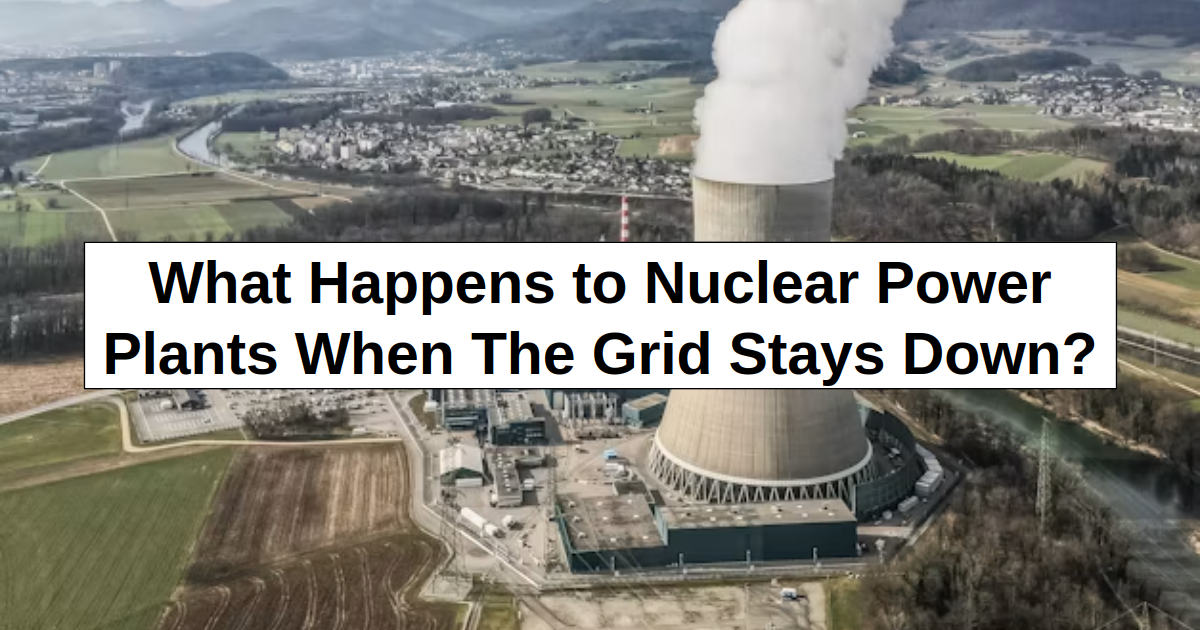
I got to wondering: what happens to America’s nuclear plants if the grid stays down long enough that emergency diesel fuel runs out? I’m not talking about a normal blackout lasting a few hours. I’m thinking about a major grid failure lasting days or weeks, with fuel deliveries disrupted, roads blocked, communications failing, and replacement…
How to Get Crucial Emergency Alerts When Power And Cell Service Go Down
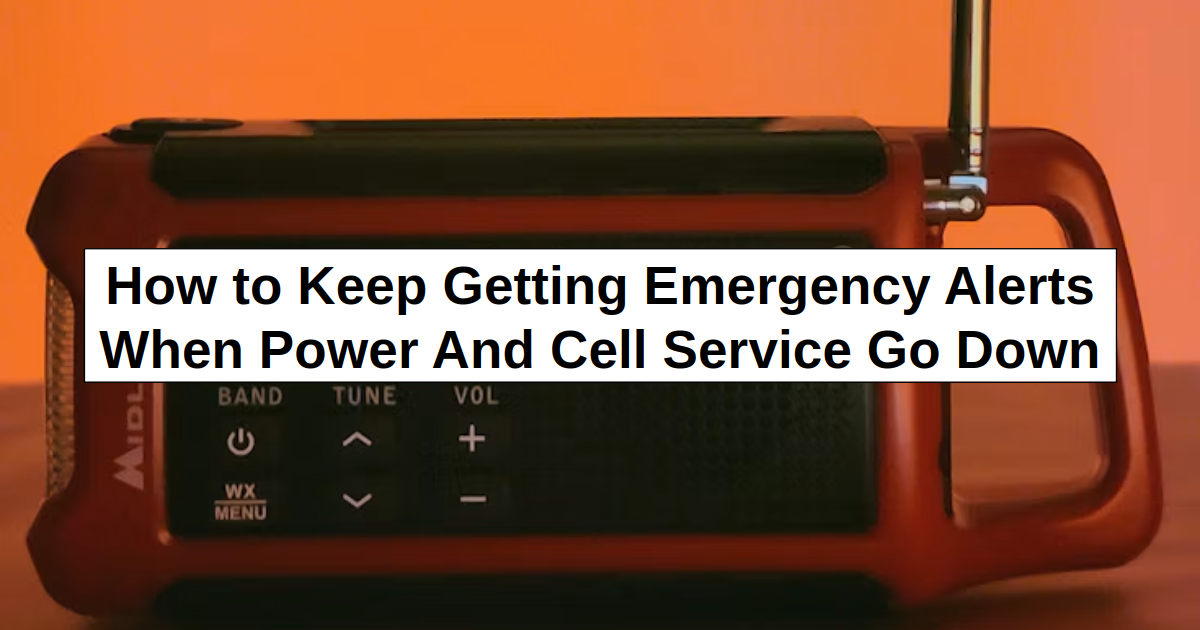
In January 1978, a blizzard buried much of Michigan. I was in college then, living in a co-op house with a bunch of other students, and somewhere in the middle of that storm the power went out. That was the moment we stopped knowing anything. There was no television, no radio plugged into the wall,…
A Response: Honest Thoughts of a New Prepper
I recently read this survivalistboards.com thread titled: “Honest Thoughts of a New Prepper – New to Prepping” and it intrigued me because (1) I’m afraid I’ve been prepping for so long that I don’t know what a “new prepper” thinks any longer, and (2) the poster has a lot of life experiences that I don’t…
2 DIY Off-Grid DIY Bucket Washing Machine Builds
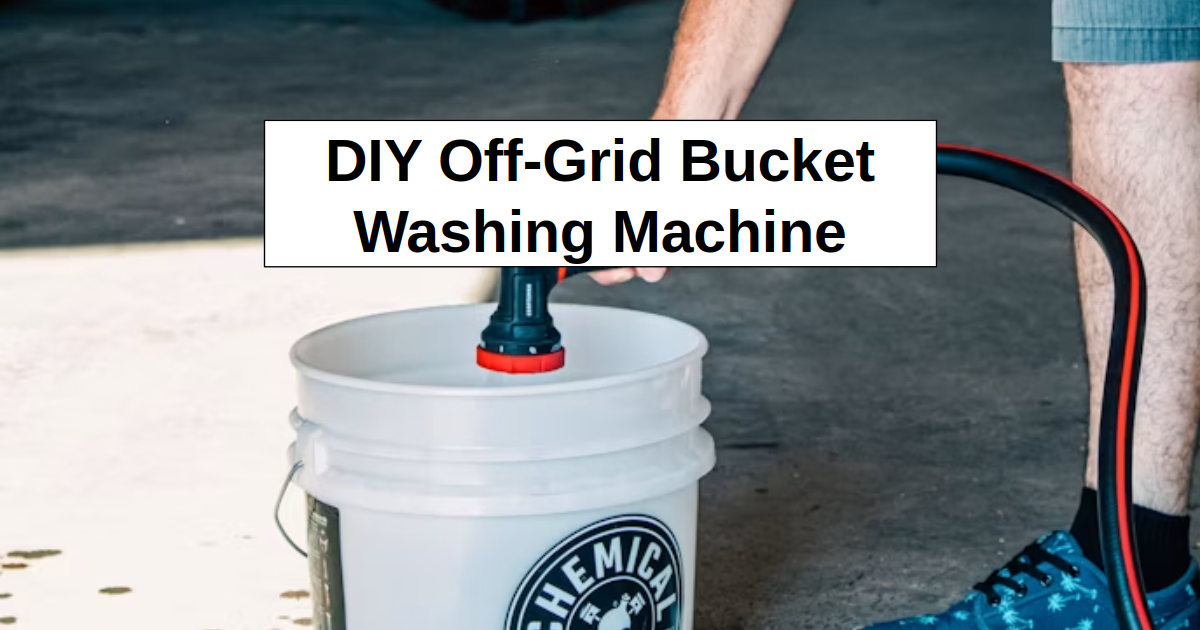
There are two videos below: one on how to build a bucket washer and a more involved DIY approach. I’ve built a few versions of the bucket washer in the past, which mixed results. They work well enough for casual washing needs, but if you have to get real grit and grime out, then you’ll…
How Much Gasoline Should a Prepper Store? Not That Much, As It Turns Out
I keep gasoline around for emergencies. Nothing crazy, but enough that I don’t have to fight everyone else at the gas station when something goes wrong, at least, not for a few weeks. I also keep propane and firewood. I don’t store diesel or kerosene because I don’t have much use for either. Gasoline, however,…
The 5 Must-Have Essentials in Your Survival Kit
Survival should never rely on luck, and hope is not a strategy. Owning the right gear (and knowing how to use it) helps keep you alive during a crisis scenario. Failing to cover all the angles can lead to disastrous consequences. Survival situations are conquered before disaster strikes. Remember the 5 P’s: Proper Preparation Prevents…
Chainsaw Fire Starter Hack
I’m not much of a chainsaw user myself, but I’ve got a few and can wield one when pressed. But it never occurred to me that you should use one to make simple fire starter noodles. Enjoy!
Prepare for Winter Now
Autumn has barely started, and here we are talking about winter already. Well, at least I’m already talking about it. Of course, that’s what preppers do. We think ahead. Waiting until the first hard freeze to figure out heat, food, snow removal, and backup power sort of defeats the purpose, right? I’ve covered winter preparedness…
The 5-Step Household Security Plan to Protect Your Family
Most families have a fire plan, even if it’s only “meet at the mailbox.” Very few have a security plan. They have pieces of one: a lock on the door, maybe a doorbell camera, a vague sense that Dad will handle it. Pieces aren’t a plan. A plan is what tells everyone in the house…