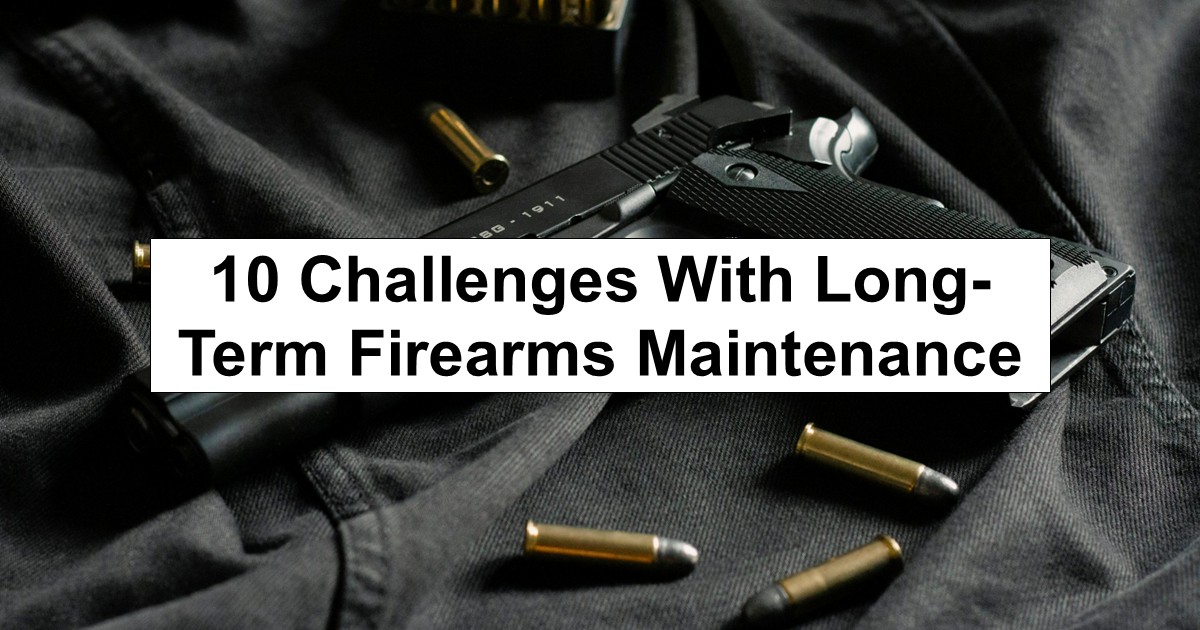
Firearms are built to last, but longevity takes work. Whether you use your gun for hunting, sport shooting or self-defense, long-term reliability depends on how well you maintain it.
Neglect leads to corrosion, wear and dangerous malfunction, while proper care keeps your firearm safe and accurate for decades.
1. Corrosion and Rust
Corrosion is every firearm’s slow, silent enemy. It doesn’t take much to start the process. A damp environment, fingerprints and even certain climates can speed up rust formation. At first, it appears as faint orange spots on the barrel, the receiver or even the screws holding components together.
If you ignore it, these spots dig deeper, leaving pits in the metal you can’t repair without compromising the gun’s structure. Rust looks bad and can weaken barrels, damage chambers, and cause slides or bolts to seize.
Managing corrosion means creating a protective barrier between your firearm and the elements. Wiping it down after every use with a lightly oiled cloth removes salt and moisture. Long-term storage should never be in a damp basement or garage. Instead, firearms belong in a safe with stable humidity levels, aided by silica gel packs or mini dehumidifiers.
If your environment is especially humid, breathable gun socks infused with rust inhibitors provide extra protection. Once corrosion takes hold, you can clean light surface rust with solvent and a soft brush, but deep pitting or rust inside the bore requires professional attention.
2. Carbon, Copper and Powder Fouling
Every time you fire a round, you leave residue behind. Carbon from burned powder builds up in the chamber, on the bolt face and deep inside the bore. Copper from bullet jackets can smear along the rifling, altering the bore’s dimensions and affecting accuracy.
With lead bullets, the problem is even worse. Streaks of lead coat the rifling, narrowing it over time and throwing shots off target. Left unchecked, fouling makes your firearm dirty, raises chamber pressure, accelerates wear and increases the risk of malfunctions. Preventing this means committing to a consistent cleaning routine.
You should use solvents designed for carbon and copper fouling on the bore, leave it to soak, and then scrub it out with a proper cleaning rod and brushes. The chamber and action deserve just as much attention. A patch run down the barrel is only the start.
Thorough cleaning after each range trip and especially after firing high volumes of rounds keeps residue from building into hardened deposits that are much harder to remove later. For shooters who care about accuracy, keeping fouling under control is critical to maintaining consistent shot groups over the long term.
3. Wear on Springs and Moving Parts
Every mechanical system eventually wears down. Springs are particularly vulnerable, losing tension with repeated compression and release. Magazine springs may eventually fail to feed reliably, while recoil and hammer springs weaken, changing timing and affecting cycling. Other parts like extractors, ejectors and slide rails also suffer over time.
While many shooters assume steel lasts forever, constant friction and impact take their toll. Addressing this involves planning for wear rather than avoiding it. You should replace springs as you feel necessary based on your comfort level. Firearm manufacturers often publish guidelines for replacement intervals, and competitive shooters keep spares on hand for this reason.
Proper lubrication minimizes friction on rails and locking lugs, but even the best oil won’t completely stop mechanical fatigue. For high-use firearms, expect to replace parts periodically as part of responsible ownership. Regular inspections and looking for chips, burrs, or tension changes allow you to spot problems before they cause failure at the range or in a defensive scenario.
4. Over-Lubrication and Under-Lubrication
Lubrication is one of the most misunderstood aspects of firearm care. Too little oil, and moving parts grind against each other, accelerating wear and creating opportunities for parts to seize. However, too much oil is equally problematic. Excess lubrication attracts dust, powder residue and grit, turning into a sticky sludge that gums up actions and slows down cycling. Firearms stored for long periods with excess oil can even see it seep into stocks, damaging wood or polymer over time.
The solution is balance. Manufacturers specify lubrication points for a reason, and a thin coat is almost always enough. Oils and greases designed for firearms are preferable to household products, which may not withstand high heat or pressure.
In practice, the goal is to create a light film that reduces friction without pooling. A firearm that glistens with oil is over-lubricated. One that squeaks or feels dry to cycle is under-lubricated. Careful attention to this balance and routine wipe-downs to remove old oil and dirt keep the action smooth and the parts protected.
5. Stock and Grip Deterioration
Firearms aren’t made entirely of metal. Wood stocks expand and contract with humidity, sometimes cracking under the pressure. Over decades, wood that isn’t sealed or treated can warp, shifting the point of impact as the barrel bedding changes.
Polymer and rubber grips are also at risk. Exposure to strong solvents or ultraviolet light breaks down synthetic materials, leading to brittleness, fading or cracking. What begins as cosmetic damage can eventually affect control and accuracy. To prevent this, storage conditions matter as much as cleaning.
Keep firearms in stable environments where there isn’t too much temperature or humidity fluctuations. Wood stocks benefit from periodic care with products designed to protect the grain and maintain the finish. When cleaning, avoid spilling solvents or oils onto grips and stocks, as these can degrade finishes and materials. In the long term, replacing worn grips is far easier than salvaging a warped or cracked stock, so regular inspection is the best defense.
6. Optics and Sight Alignment
Sights and optics are exposed to constant vibration and recoil forces. Over time, screws can loosen, optics can lose their zero and ironsights can drift slightly out of alignment. Temperature changes and rough handling can worsen the problem. A firearm that was once dead-on suddenly starts shooting several inches off target, and many shooters assume it’s their technique when in reality it’s their sights.
Routine checks, re-tightening screws with the correct torque and occasionally re-zeroing ensure optics stay reliable. Using thread-locking compounds sparingly on mounts and keeping lenses clean and fog-free further protects your firearm.
7. Ammunition Degradation
A firearm is only as reliable as the ammunition feeding it. Over time, improperly stored ammo can corrode, absorb moisture or suffer case weakening. Corroded ammunition can result in jamming, misfiring and other safety problems.
Besides reliability issues, degraded ammunition can actually become dangerous, producing irregular pressures that strain or damage the firearm. The solution is straightforward. Keep ammunition in airtight containers, ideally with desiccant packs and rotate your stock. You should also keep ammunition from prolonged heat exposure, such as leaving boxes of it in a hot vehicle, which can break down powders and primers.
8. Finish Wear and Aesthetic Degradation
While a firearm’s finish is cosmetic, it’s also the first line of defense against corrosion. Bluing, parkerizing, Cerakote and anodizing all wear over time, especially on high-contact areas like slides, grips and where holsters rub. Once the protective layer thins, the bare metal beneath becomes more vulnerable to rust, pitting and other forms of long-term deterioration. While a worn finish doesn’t immediately affect how the gun shoots, it can accelerate corrosion and shorten its lifespan.
For owners looking to increase durability, chrome plating is a fantastic option. A quality chrome coating creates a much harder, corrosion-resistant surface that can handle moisture and wear better than traditional finishes. It’s especially popular for firearms exposed to harsh environments, like marine or high-humidity conditions.
Chrome can extend the usable life of a gun, but it still requires proper care. Condensation and neglect will eventually find a way past any finish without good storage. Maintaining it means handling your firearm carefully. Wipe it down with soft cloths rather than abrasive rags, avoid letting cleaning solvents sit on coated surfaces, and consider professional refinishing or touch-ups when necessary.
9. Outdated or Obsolete Parts
As firearms age, parts can become increasingly difficult to replace. Springs, extractors, firing pins and even magazines from discontinued models may no longer be in production. Owners who put off maintenance for years may be unable to repair an otherwise functional firearm.
Proactively sourcing spare parts while they’re available is key. For older or collectible firearms, building a small inventory of high-wear components ensures they remain operational even decades down the road. In some cases, a skilled gunsmith may need to fabricate replacements, but prevention is always easier and less expensive.
10. Barrel Erosion and Throat Wear
Barrels don’t last forever, no matter how carefully you maintain them. With every shot you fire, hot gases and friction eat away at the steel, especially near the throat just ahead of the chamber. Eventually, this erosion causes accuracy to decline. Competitive shooters often notice the shift first. Once tight groups begin to spread and velocities may fluctuate. Even hunters or casual shooters can see the effects after thousands of rounds.
Managing barrel erosion involves prevention and planning. Using quality ammunition with consistent pressures reduces unnecessary stress. Allowing the barrel to cool between long strings of fire prevents overheating, accelerating wear.
Regular cleaning to remove fouling also slows the process, since copper and carbon can hold heat and create uneven wear patterns. However, no barrel lasts forever. Plan ahead by monitoring round counts and knowing when a barrel replacement will be necessary.
Why Proper Firearm Maintenance is Crucial
Maintaining your firearm is what keeps a precision tool functioning as intended. Failing to clean, lubricate, and store it properly shortens its lifespan and compromises safety. Carbon buildup can cause jams, rust can weaken structural integrity and worn springs can fail at the worst possible moment.
Regular care also preserves accuracy. Even small amounts of fouling in the barrel can shift your point of impact, and a poorly maintained action can make consistent shooting nearly impossible. In competitive shooting, a neglected firearm can mean the difference between a winning group and one that misses the mark. For hunters, a poorly maintained rifle could mean losing the opportunity for a clean, ethical shot. For defensive use, reliability is essential.
Firearms are significant investments, and many hold or even increase their value over time. However, a gun that’s rusted, pitted or has mismatched replacement parts will quickly lose resale or collector’s value. Preventive care is always cheaper than paying for major repairs or part replacements down the road.
Additionally, owning a firearm means taking on the duty to keep it safe, functional and ready. A neglected one can be dangerous to the user and everyone around them. Being responsible also means practicing regularly, because confidence with a weapon comes from handling it safely and consistently. Proper maintenance ensures your firearm remains a trustworthy tool today and for the generations that may inherit it.
The Importance of a Maintenance Schedule
Firearm longevity isn’t about fixing problems as they arise, but rather preventing them before they start. That’s where a structured maintenance schedule can make all the difference.
1. Routine Cleaning After Use
Clean your gun after every range session if you’re a regular. Removing powder fouling, wiping down metal surfaces and reapplying a light coat of oil prevents small issues from compounding.
2. Monthly Inspections
Even if you haven’t fired a shot, inspecting your firearms once a month keeps you ahead of potential problems. Look for signs of corrosion, check lubrication labels and cycle the action to make sure everything feels smooth.
3. Seasonal Deep Cleaning
Go beyond the basics at least once or twice a year, regardless of how often you use it. Disassemble further, clean and inspect springs, examine wear on rails, and check optics mounts. This is also the time to replace worn parts and refresh desiccants in your safe.
4. Round Count and Part Replacement
For firearms you use frequently, tracking the number of rounds fired is key. Springs, barrels and extractors all have finite lifespans, and replacing them at predictable intervals prevents sudden failures.
5. Annual Professional Checkup
Just like a vehicle, firearms benefit from a professional once-over. A gunsmith can spot subtle wear or damage that an owner might miss, ensuring your firearm stays reliable for years to come.
Building Habits That Last
Long-term firearm care is all about consistency. By addressing the most common challenges and sticking to a clear maintenance schedule, you extend your gun’s life and ensure it’s ready whenever you need it. Firearms perform best when you respect, inspect and care for them. The small effort you put in today pays off in decades of safe, reliable service.
Leave a Reply