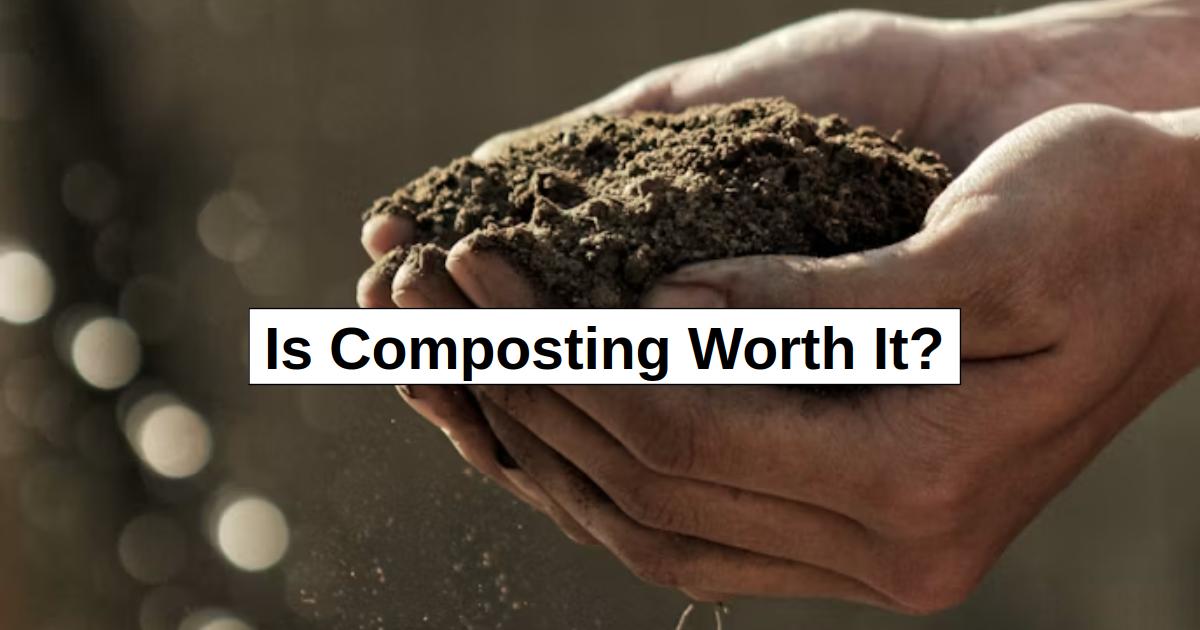
Our 3-bin compost setup is a lot of work. I’ll be honest about that upfront.
We’ve got food scraps going in, dead leaves piling up in the fall, grass clippings through the summer, and at some point you’re out there in the heat turning it all with a pitchfork. Then you’re hauling it to the garden, working it in, and starting the whole cycle over again. It never really ends.
But our garden is better for it, probably a lot better. At least, that’s what I want to believe. And if you’re serious about growing food for your family, especially with any kind of self-reliance goal in mind, getting your soil healthy is the one thing that pays off year after year.
So let’s talk about what actually works.
To Till or Not?
This debate comes up in every gardening forum I’ve ever read, and people have strong opinions. The no-till crowd will tell you that tilling disturbs soil structure, kills off beneficial microbes, and wakes up dormant weed seeds buried in the ground. Leave them buried and a lot of them never sprout. Disturb the soil and suddenly you’ve got weeds everywhere.
The tillers push back on practical grounds. One person I came across tills once to work in amendments, then leaves it alone after that. Another tills mostly out of habit and swears his beds are beautiful and productive because of it.
The honest middle ground? Till to set up a new bed, then minimize disturbance after that. I’ve been gravitating toward that approach myself. If you want to dig into no-dig methods more, I posted about whether no-dig will work for your garden and it’s worth a read before you decide.
What to Put in Your Soil
Manure is the most common amendment you’ll see mentioned, and for good reason. Goat manure mixed with old hay, horse manure picked up free from local stables, chicken manure, and aged cow manure all work well. The key word in all of that is aged because fresh manure is too high in nitrogen and can actually burn your plants. Let it sit and break down first.
Beyond manure, carbon-based mulches do a lot of work: straw, wood chips, cardboard, grass clippings, dead leaves, old hay. Cover the soil, keep it covered. The benefits stack up because moisture stays in, weeds get suppressed, soil microbes get fed, and as it breaks down it adds nutrients. Preventing topsoil loss in wind is underrated too, especially if you’re in an exposed spot, like our garden is at times.
A few specific amendments worth mentioning include crushed eggshells add calcium, which tomatoes and peppers especially need. Used coffee grounds are a decent nitrogen source. And if you plant peas or beans between heavier-feeding crops, they’ll fix nitrogen back into the soil while the other crops are pulling it out. It’s a simple rotation trick that works.
But I’m not the best gardener, and I don’t know everything about composting either. My advice: get a book on the topic or watch some videos.
My Setup
We add food scraps, leaves, and grass clippings to our bins and keep rotating, like I said earlier. It’s a year-round process. Some weeks it feels like a full side job, but the finished compost is good material and we know exactly what went into it. But, honestly, our compost bins are currently “stuck” behind a wall of weeds that need cleaned up, so nobody’s taking care of it. 🙂
Although pallets screwed together make a perfectly functional compost bin, not everyone needs three bins. Some people compost directly in their garden beds and barely haul anything anymore. My neighbors just make a pile in their yard!
The smartest setup I’ve seen mentioned is using a mobile chicken coop: move it around the garden, let the birds scratch, fertilize, and break down material right in place. No hauling at all. I wrote more about that approach in speed composting with chickens if you want the details, but this clearly only works before you plant.
What Most Skip
Carbon-to-nitrogen ratio matters a lot. High-carbon materials like wood chips and straw are great for mulching, but if you work too much of them into the soil, they can tie up existing nitrogen while they decompose. Your plants will look starved even if you’ve been adding material all season. You need a balance.
Soil pH matters too. Most nutrients are available in a pH range of roughly 6.0 to 7.0. Go above 7.8 and iron becomes harder for plants to absorb. The pH doesn’t just affect one nutrient, it affects all of them. If you’ve been amending for years and still getting disappointing results, pH is often the culprit.
You could get a soil test. Your county extension office often does them for free or close to it, and the USDA Natural Resources Conservation Service apparently has free county soil surveys online. This helps you know what your specific soil actually lacks before you start guessing at what to add. For instance, wood ash raises pH, which sulfur lowers it. And manure adds nitrogen. But none of that matters if you don’t know your starting point.
One more thing worth repeating from experienced gardeners: plants don’t care whether their nutrients come from manure, wood ash, or a bag of fertilizer. They just need the nutrients to be there and available. Organic methods get you there in a way that also builds long-term soil structure, but the plants themselves don’t much care how they get it.
The Long-Game
Our garden is small and it takes real effort to keep the soil healthy. The compost bins are part of that, and so is paying attention to what goes in and what comes back out. Some beds have taken years to get to where they’re actually productive. My fruit trees, for instance, could use a lot of TLC, which includes adding compost amendments.
That’s fine. It’s the kind of thing that compounds over time. If you’re just starting out and feeling overwhelmed, I’d point you toward how to grow enough food in small spaces for your family as a good starting point. And if you want a broader foundation for self-reliance at home, my book on crisis preparedness covers some of this ground along with a lot more. But if you really want to know, like I stated previously, find books or videos dedicated to the topic because it can become a job just learning everything.
What does your setup look like? Are you composting yet, and if so, what’s working for you? I’m always curious what other people are doing differently and, equally important, what hasn’t worked. Thanks!
Leave a Reply