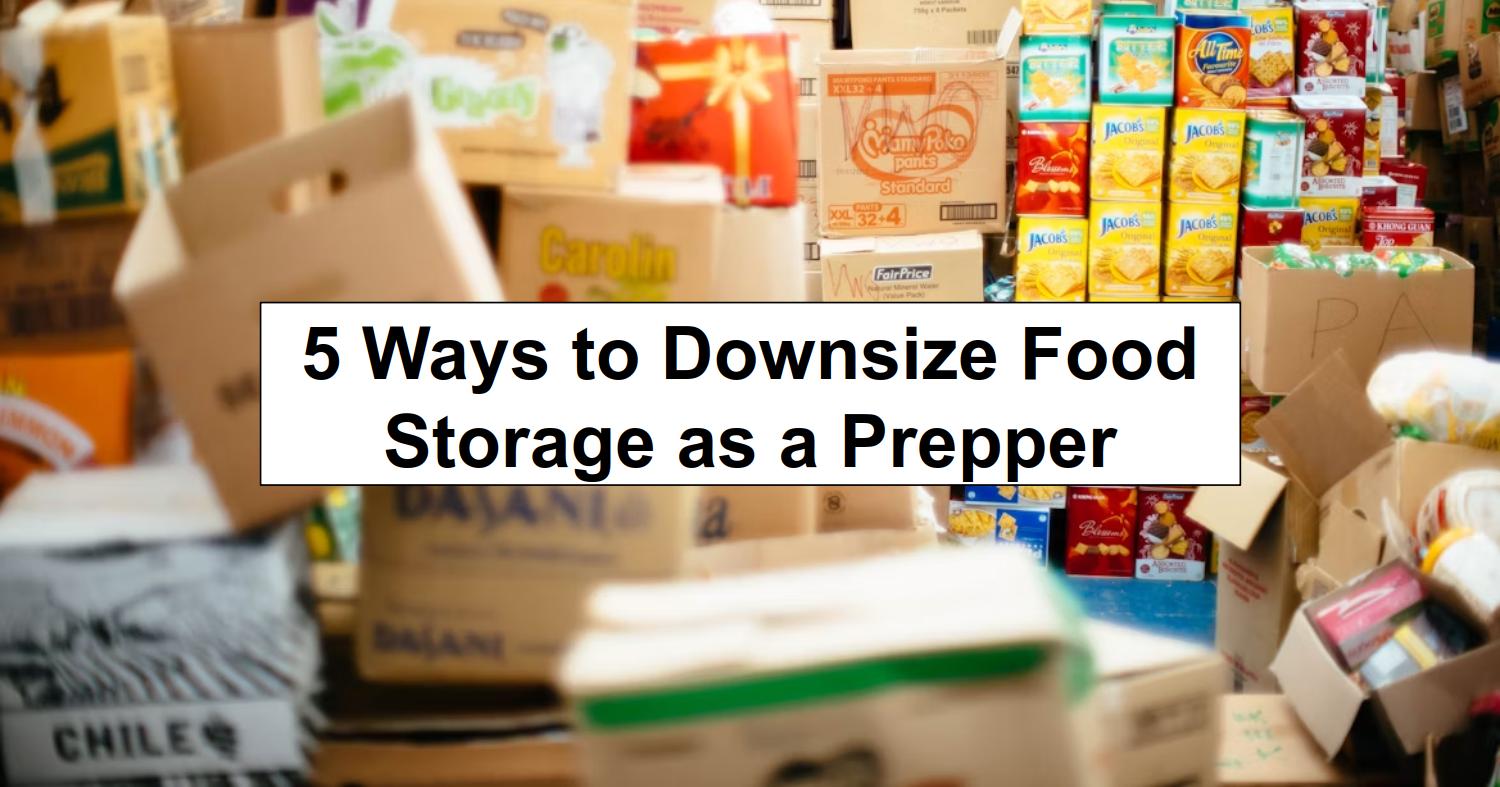
We’re currently going through this ourselves, considering what to keep and what to toss, and I’ll be honest … it’s not a comfortable place to be. On one hand, we’ve got food storage we need to thin out. On the other, food prices keep climbing, and part of me wonders if we’ll regret letting any of it go.
But some of this stuff has to go regardless. We’re talking decades-old #10 cans, dented cans from the grocery store that probably shouldn’t have made it into the stockpile to begin with, gravy mixes and other packaged goods that have been sitting around so long I don’t even remember buying them. At some point you have to be honest with yourself about what you’re actually going to use versus what you’re just storing out of concern.
So here’s how I’d think through it if I were moving, especially a long distance.
What to Toss
Start with anything clearly way past its shelf life. Peanut butter, crackers, cans of tomato-based products, even baking powder don’t last forever, and if they’re old enough that you’re not sure or have clumped, that’s probably your answer to toss it. Dairy products like powdered milk, cheese, and butter are worth giving a second chance before you toss them, but don’t assume they’re still good because they can go bad. Meat-based products, even jerky, tend to go off faster than people expect.
Heavy, cheap items like salt, sugar, and grains usually aren’t worth moving or shipping but they rarely go bad, either. You could probably re-buy those fresh at your destination for less than it would cost to haul them, not to mention the hassle. If you’re trying to cut volume, that’s a good place to start. And before you make a decision on a whole category, open one pail and sample it. You might be surprised, in both directions!
Ways to Sell It
A moving or estate sale is a reasonable option, and if you advertise it as a moving sale, you’ll attract the right buyers. Price things at roughly 25 cents on the dollar of current retail and you’ll move a bulk of it.
I’m unsure about consignment for food storage, as I’ve never seen that happen. But if you’re looking for “the right” buyer, consider places where preppers might congregate, such as gun shops and expos.
Ways to Give It Away or Donate
Family and friends are the obvious first options, especially anyone nearby who preps or might be open to starting. Beyond that, there are more options than most people realize.
LDS wards and stakes may be interested. Food banks are worth calling, though many won’t accept #10 cans, so don’t just show up with a truckload. Refugee support organizations may want bulk food, and groups like the Salvation Army and Samaritan’s Purse handle disaster relief and may be able to use it. Local missions that serve meals, youth homes, and thrift stores are all worth a call. But most official organizations won’t take food that’s beyond their expiration dates.
And if none of that works, hog farmers will take almost anything for animal feed. I’m not kidding. It’s not ideal, but it beats throwing it away.
Shipping What You Keep
If you’re moving and want to bring most of your stores with you, think about how you’re doing it. Palletizing and using freight shipping is certainly cheaper than UPS or a standard mover for heavy bulk goods. If you’re renting a moving truck, some food storage makes reasonable filler space. A PODS container or a one-way U-Haul are both worth considering if the volume is large enough.
The key is focusing on high-value, high-density items. Things that are genuinely useful, hard to find, and worth the cost to move, such as freeze-dried food, MREs, home-canned goods, and the like. But, if it were me, I’d be inclined to take almost any food items that I intend on using in the future, even grocery store canned goods.
Right-Sizing What You Keep
Start eating from your stores now to reduce the volume before a move. There’s no reason to wait, since that food exists to be used.
If you’re not sure what’s worth keeping and what isn’t, this post on long-term food storage tips covers the basics of what actually holds up over time and what tends to disappoint people.
The honest truth is there’s no perfect answer here. Letting go of food storage when prices are rising feels wrong. But hauling thirty-year-old rice and beans across the country also feels wrong. I guess you can just pick your version of wrong and move on. 🙂
What would you do with a stockpile you needed to cut down? Have you ever sold or donated prepper supplies before?
Leave a Reply