Power is often among the first infrastructures to fail in emergency and disaster situations. Much of modern life depends heavily on electricity, so any outage triggers a cascade of failures. Preppers already know that when the grid goes down, a backup source becomes the survival tool that separates those who can get by from those who struggle.
Why You Should Plan for Long-Term Survival
Extreme weather events are becoming more intense and more frequent. In 2023, the U.S. experienced the hottest heat wave since 1880, measuring 0.41° Fahrenheit above previous records. Events like this are a stark reminder that natural disasters will likely worsen in the coming years.
When extraordinary temperatures hit and the power goes out, there’s more at stake than comfort. Without electricity, there’s no cooling in the summer or heating in the winter, which can quickly become a matter of survival. Extended outages can lead to heat stroke, exhaustion and other cardiovascular risks, especially for children, older people and anyone with preexisting conditions.
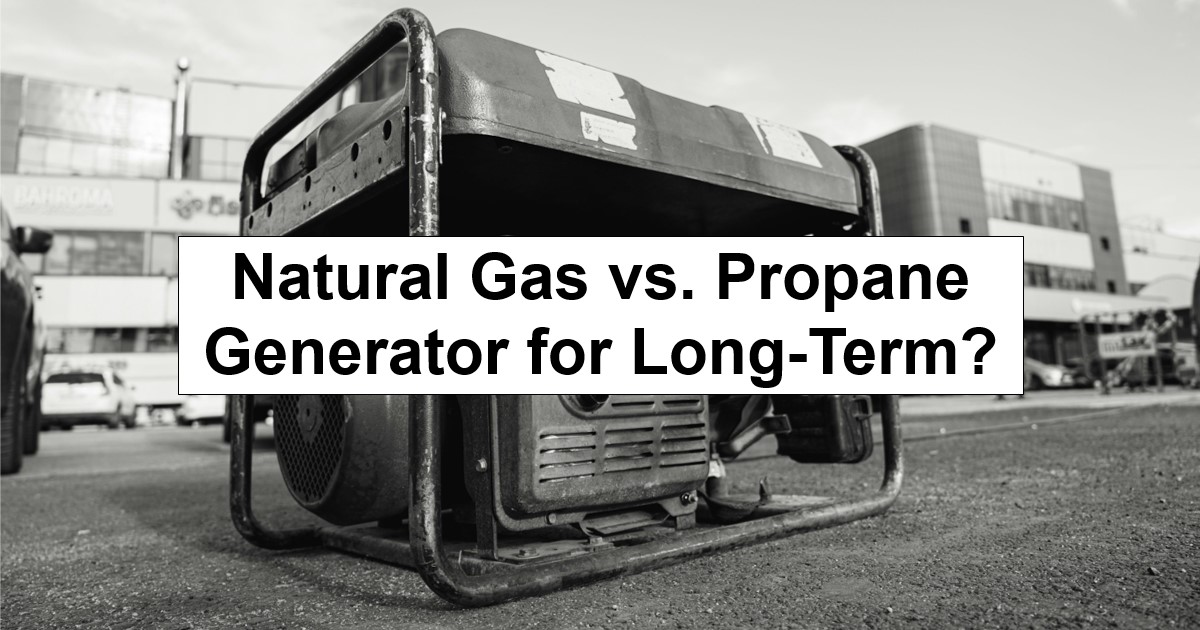
Planning for long-term crisis readiness often comes down to having a reliable generator. Most preparedness plans narrow their options to two fuels — natural gas or propane.
Which Fuel Stores Safely for Years?
With natural gas, you don’t need to worry about storage or refills, as it connects directly to your setup from underground pipelines. This constant supply sounds convenient, but a major disaster can quickly erode that reliability. Earthquakes can break pipelines and in many events, utility crews often shut down the lines when there is a perceived risk of damage to infrastructure.
Alternatively, propane already comes stored in a container. You can keep a portable 20-pound cylinder for small setups or install up to 1,000-gallon stationary tanks if you have the space. When sealed properly, it remains stable indefinitely without losing energy quality. This storage capacity is a strong advantage for self-sufficiency when electric and gas lines are disconnected.
How Long Will the Fuel Actually Last?
How long your fuel lasts depends on both your tank size and your generator’s consumption. A small 20-pound propane cylinder holds roughly 4.6 gallons of liquid propane when filled to the recommended 80% capacity, enough to power essential appliances for several hours.
In 2024, the average power interruption lasted about 11 hours, which suggests that longer outages could become more common. If downtime in your area is often longer but your budget doesn’t allow for a permanently installed tank, a few extra propane cylinders can provide enough backup to keep essential appliances running for several days.
For those seeking a longer-term solution, many homeowners install a 500-gallon tank, the most common residential storage size. This provides a substantial reserve capable of keeping a midsized generator running for days or even weeks.
In contrast, natural gas relies on a continuous pipeline supply, which can keep a generator running indefinitely — as long as the infrastructure remains intact and undamaged.
Which Fuel Is Easier to Get During a Crisis?
Fuel availability during emergencies is unpredictable. Severe storms, infrastructure damage or supply chain disruptions can all limit access to energy.
Natural gas has the advantage of convenience during normal conditions. If your home already connects to a municipal gas line, fuel flows automatically without needing deliveries. However, this also creates a potential vulnerability. If pipelines shut down or distribution systems fail, your supply may stop completely.
Propane is widely regarded as one of the most reliable and accessible fuels during a crisis, though its availability can fluctuate depending on timing. While it is easy to transport to disaster zones and does not degrade over time, high demand immediately before or after major events can create temporary shortages.
Storing propane on your property is the most dependable approach, even when no immediate threat exists. Maintaining stationary tanks or multiple smaller cylinders as reserves ensures you have a supply ready whenever it is needed.
Which Generator Is More Reliable Long Term?
Both propane and natural gas generators tend to burn cleaner than gasoline engines. Cleaner combustion produces fewer carbon deposits, which can reduce engine wear over time. This means less maintenance for you, which is especially important during a crisis when you need your backup to work without fail.
Propane engines are particularly known for their clean operation. The fuel leaves minimal residue in the combustion chamber, helping extend engine life and reduce maintenance needs. Natural gas generators share many of these benefits because they also burn relatively cleanly.
From a mechanical perspective, both gases can support reliable long-term operation when equipment is properly maintained. The main reliability difference usually comes from fuel availability rather than engine design.
Which Fuel Produces More Power?
Fuel energy content affects how efficiently a generator can produce electricity. Propane contains 2.5 times more energy per cubic foot than natural gas, so propane models can give a little more power or use less supply to do the same job. A pipeline supply still provides plenty of power for residential units, but it may burn faster when producing the same load.
Strengthen Your Power Survival Plan
Natural gas offers convenience and an uninterrupted supply during normal conditions. If infrastructure remains intact, it can provide continuous generator operation without the need for refueling. Meanwhile, propane can give you greater control over your energy reserves. For many preparedness planners, the most resilient strategy combines stored fuel with flexible equipment. A system capable of running on multiple energy sources can ensure you still have power when circumstances become unpredictable.
Leave a Reply