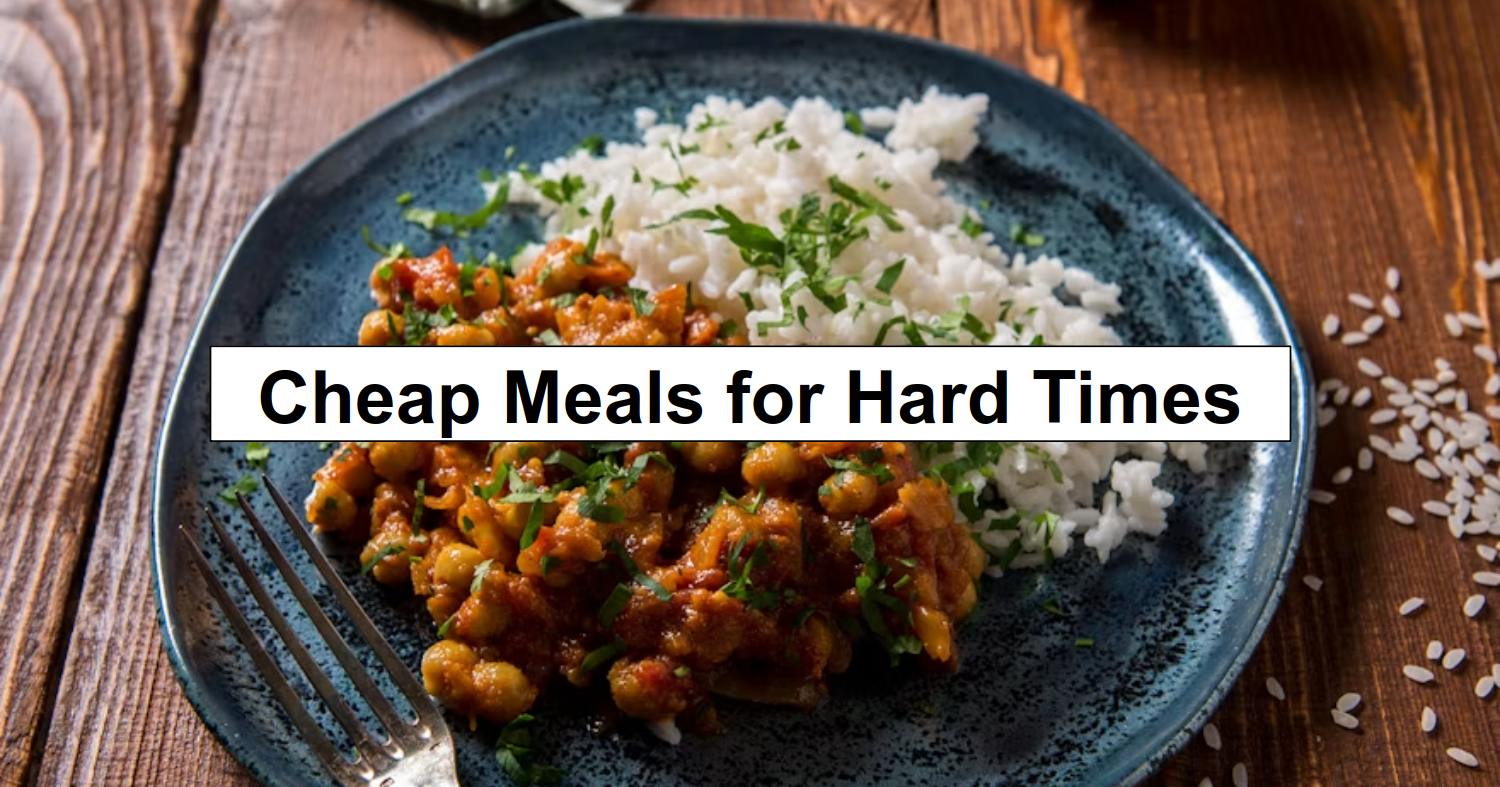
When we first moved to Washington state, money was tight for multiple reasons. We leaned hard on our food storage, especially rice and beans, and I got into the habit of baking our own bread from wheat we had stockpiled. We skipped restaurants completely. Fresh fruit and vegetables became a treat instead of a given, though it was hard not to have a fruit smoothie in the mornings. We cooked in batches so we’d have leftovers to freeze, and we rotated through the basics, pasta one night, oats for breakfast (kids loved that!), rice as a base for whatever we could pair with it.
It wasn’t glamorous, but it worked.
I’ve been thinking about that time in our lives again lately, mostly because grocery prices haven’t exactly been kind to anyone the last few years. Honestly, I think they’re much worse than the last time I did a Costco inflation check. So I started digging into how other frugal-minded people stretch a food budget, and a lot of what came up lined up almost exactly with what we did back then with some additions.
Simple Meals That Cost Almost Nothing
The best budget meals share a few things in common: cheap base ingredients, minimal waste, and recipes flexible enough to use whatever’s already in your fridge or pantry. A homemade pizza is a good example. Dough, sauce, and cheese cost very little, and you can top it with whatever vegetables you’ve got growing or meat you have on hand. One family made three 12-inch pizzas for under $9, which certainly beats most takeout options and is probably healthier too.
Skillet meals work the same way. Sliced potatoes, ground beef, and a simple seasoning blend turn into a full dinner for several dollars. Add in cabbage or carrots or something similar if you’ve got them. Beans and rice with sausage is another one that stretches further than you’d expect, often covering two or three days of meals for one person on just several dollars in total.
Rotisserie chicken might be the single best budget move out there; my in-laws love them. A Costco chicken costs about $6 and feeds four people on its own. Once the meat’s gone, the carcass can be boiled down for broth, and you’ve got the base for soup, stew, or a rice dish later in the week. That’s the real trick behind most of these frugal ideas, since one purchase can transform into multiple meals.
Mac and cheese doesn’t have to be boring, either. A boxed version with canned tomatoes and whatever vegetables you have (zucchini, peppers, spinach) turns a simple lunch into a real meals for under $10 for four people, or less if you got the veggies from your garden. But I suspect most kids would prefer the boring kind of mac and cheese.
None of these recipes are complicated. That’s kind of the point. The goal isn’t to impress anyone. It’s to eat well enough without draining your bank account.
Make Use of What You Have
This idea is exactly what we practiced without ever naming it that way. You could, for instance, roast two whole chickens instead of one since the oven’s already running anyway. We did something similar with our stored wheat. Grinding it fresh and baking our own bread meant a single 50-pound bag of wheat stretched across months, not weeks. Store-bought bread would have cost us more and given us far less control over what actually went into it. I still think fresh-baked bread from your own wheat tastes better than anything from a grocery store shelf, though I’ll admit it’s a heck of a lot of work!
I’ve seen folks suggest that leftover mashed potatoes can become biscuit dough and that vegetable scraps can go into stock instead of the trash. Personally, I would have to be truly desperate to try such unconventional methods.
Regardless, it gets me to reconsider what’s possible. That is, instead of asking “what do I want to eat,” you start asking “what do I already have, and what can it turn into next?”
The Real Cost of Home-Grown Food
If you’ve got a garden or keep chickens, your cost-per-meal math gets complicated fast, and I mean that in a good way. Seed costs, feed costs, and any equipment you bought are sunk costs by the time you’re actually cooking with what you grew. That makes it tempting to call your homegrown vegetables or eggs “free,” but they’re not exactly free either. You paid for them up front, just not at the register. I’m positive I’m still paying a lot more per egg than I would’ve from the grocery store, but I believe they’re healthier for me, so it’s an acceptable trade off.
I think about this with our own food storage too. We didn’t buy that wheat the week we needed bread. We bought it years earlier, specifically so we’d have it when something happened or, in this case, if money got tight. That’s the whole point of stockpiling shelf-stable staples in the first place: you’re not trying to save money on any single meal, you’re building a buffer so a bad month or two doesn’t turn into a bad year. My in-laws, as another example, lived off their food storage preps for nearly a year (or thereabouts) when my father-in-law got laid off. The amazing part is that they had seven kids!
If you haven’t started building that kind of pantry yet, I put together a full breakdown of what to stockpile and why in my survival foods book. It covers exactly the kind of staples that made our frugal years in Washington workable in the first place. But the book is really about foods for SHTF or hard times, not so much for saving money, though it will probably help there, too.
Recipes and Books
It’s hard to know how to make many basic recipes taste good, especially when they feature the same ingredients over and over. It’s one of those many unexpected problems that people will run into if they ever had to rely solely on their food storage. I recommend looking for frugal recipe books on Amazon or online. I’ve got several books, such as 366 Delicious Ways to Cook Rice, Beans, and Grains and Bean by Bean: A Cookbook, among others.
For what it’s worth there are online resources for frugal recipes, too, and my survival foods book (the second edition) include 30 recipes using the items discussed throughout. Honestly, though, I would get actual cookbooks because they include a lot of the nuance that only experience offers.
Final Thoughts
Looking back, that frugal stretch in Washington taught us more than we realized at the time. We didn’t starve. We didn’t even eat badly, honestly. We just got smarter about what we bought, how far we stretched it, and what we skipped buying altogether. Fresh vegetables weren’t off the table forever, just off the table for a while or minimized; same goes with other high-quality foods.
If money’s tight right now, or you just want a buffer for when it eventually is, stock the basics. Cook in batches. Use every part of what you buy. Invest in a deep freezer so you can make meals in bulk. And save the fancy stuff for when the budget allows it again.
What’s your go-to cheap meal when money’s tight? I’d like to hear what’s worked for you.
Leave a Reply