My wife grows herbs, like basil, cilantro, a few others. She tends them, harvests them, does whatever you do with them. I stay out of it entirely.
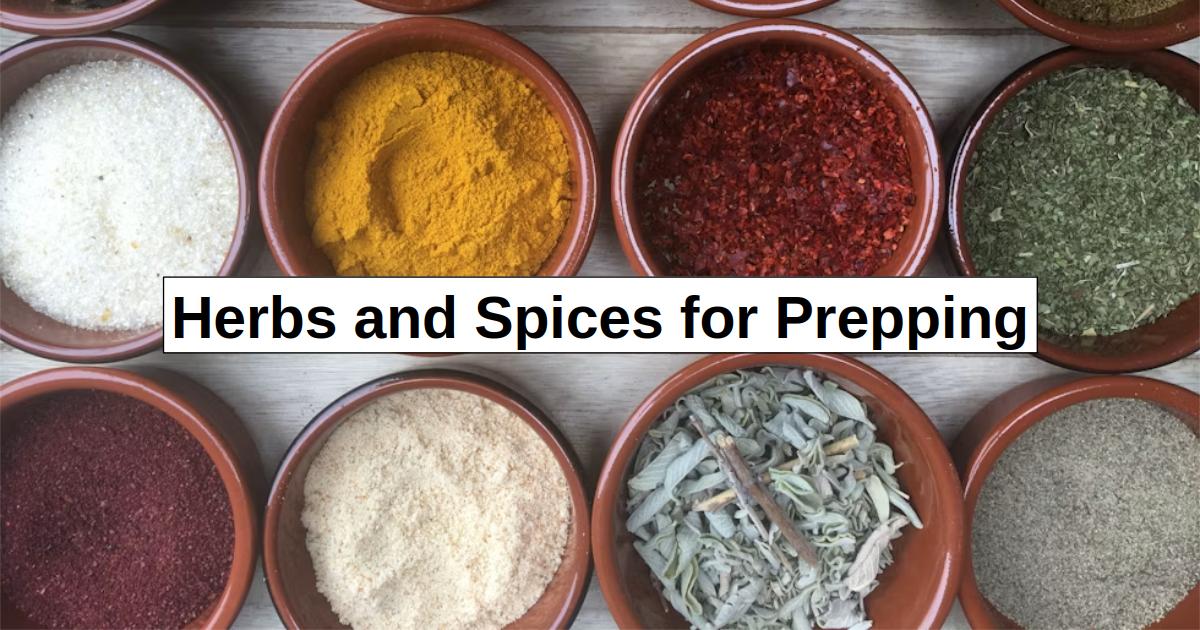
My contribution is the spice cabinet. Or more accurately, the collection of large containers that slowly takes over a shelf in the pantry: cumin, paprika, chili powder, taco seasoning, garlic powder, onion powder, cayenne, cinnamon, and more. If it comes in a bulk container at Costco, there’s a decent chance we have it because that’s my domain.
I used to think of this as a nice-to-have because they enhance flavor, offer variety, and maybe spice t hings up on a bad day. But the more I’ve thought about it, the more I think spices are one of the most underrated preps most people have.
Here’s why.
Appetite Fatigue is Real
You’ve probably heard of appetite fatigue before, but if you haven’t, here’s the short version: when you eat the same food repeatedly, even if you’re hungry, you’ll eventually stop wanting to eat it. It’s because your brain, and maybe your taste buds, check out.
This is a documented problem with survival food. People stockpile rice, beans, canned goods, and freeze-dried meals, and then after a week or two of eating the same rotation, they start skipping meals, which is clearly dangerous in a survival situation because you need calories to function, especially under stress. But your body will reject familiar foods before it hits true starvation if it’s bored. Literally!
Spices don’t solve this completely, but they go a long way to alleviating it. Because that same pot of rice and beans tastes completely different with cumin and chili powder versus cinnamon and a little brown sugar. Rotating your seasoning is one of the cheapest, easiest ways to get more mileage out of a limited food supply, and is something I discuss in my food storage book.
Even if your survival food aren’t only bland staples, spices aren’t a luxury. They’re what keeps people eating because, like it or not, we Americans are accustomed to a wide variety of tastes.
What to Actually Stock
The forum thread that prompted this post had a solid starting list that includes turmeric, cumin, cayenne, paprika, black pepper, nutmeg, ginger, cloves, cinnamon, and garlic. But I’d add a few things.
Salt deserves special mention. Before refrigeration, salt was a major trade good and a preservation method. It has essentially no shelf life (pure sodium chloride doesn’t expire), it’s super cheap in bulk, and it does double duty in the kitchen but also as a requirement for your health. If you’re not buying salt in large quantities, start there.
Sugar is worth stocking for the same reason: long shelf life, cheap, and shows up often in recipes, and that helps break up monotony. Vinegar is another one people skip that has both cooking and cleaning uses; it’s one of four basic supplies that are super useful.
For the broader spice list, I’d focus on the ones you actually cook with now. Don’t stock odd spices if you’ve never cooked with it. Stock what your family already eats. The point is to make normal food feel like normal food under abnormal circumstances.
One thing worth knowing about shelf life is that spices don’t go bad the way meat or dairy does. But the do lose potency and could clump is humid environments. A retired chef in the thread argued they weren’t worth storing because they lose flavor within six months, but experienced preppers pushed back on that pretty firmly. If you store them cool, dark, and dry, they’ll last years past the printed date, though you may just need more. And that’s usually not a problem when you’re buying in bulk.
Growing vs. Storing
The honest long-term answer is growing what you can locally and buying what you can’t.
My wife has the growing side covered at a small scale. Basil and cilantro are easy to a point, though I’m unsure how much she would need to grow to match a single large container from Costco.
Anyway, plenty of people are also growing garlic, mint, rosemary, dill, oregano, and lemon balm without much effort or space for minimal useage. If you’re interested in expanding that, I posted about growing food in small spaces a while back and a lot of the same principles apply to herbs.
The gap is tropical spices, like black pepper, cinnamon, cardamom, vanilla, cloves, nutmeg. These come from plants that don’t grow in most of the U.S. If supply chains go down for an extended period, those are probably gone for a long time too. So, there’s a real argument for stocking them now while they’re cheap and available.
Medicinal Value
Some people stock herbs and spices primarily for medicinal reasons, such as turmeric for inflammation, ginger for digestion, and cayenne for circulation. There’s legitimate traditional use behind most of these, and some research too.
I’m not going to pretend herbs replace real medicine because they don’t. A retired nurse in the thread made the point clearly: some people have died because they relied on natural remedies too long for conditions that needed real treatment. That’s a fair warning. Herbs won’t manage diabetes or heart disease in any real or meaningful way.
But for minor illness, inflammation, and general immune support, there’s probably value. I posted more about natural approaches to immunity here if you want to go deeper on that side of things.
Regarding Barter
Some people stock extra spices specifically as barter items, figuring salt and common seasonings will be worth trading in a grid-down situation. I get the logic, but I’ve never been a fan of bartering post-SHTF, and I wrote about why at length here. The short answer is that it puts a target on your back, it creates OPSEC problems, and the math rarely works out the way people imagine.
Stock spices because you’ll use them; not because you’re planning to open a trading post in your backyard.
The Bigger Picture
Spices are a tiny line item in most preparedness budgets, but they pull serious weight. They fight appetite fatigue, they extend the usefulness of basic staples, they keep morale from tanking when things get hard, and maybe they’re helpful for immune support. The fact that most people ignore them completely is a little strange when you think about it.
That said, spices are one piece of a much larger puzzle. If you want a full breakdown of what else should be in your stockpile, my book Sold Out Forever covers the supplies and priorities that actually matter when things go sideways. It’s a good place to start if you feel like there are gaps in your preps you haven’t quite filled out yet.
What spices are already in your stockpile, and are there any you’d add to the list I did not?
Leave a Reply