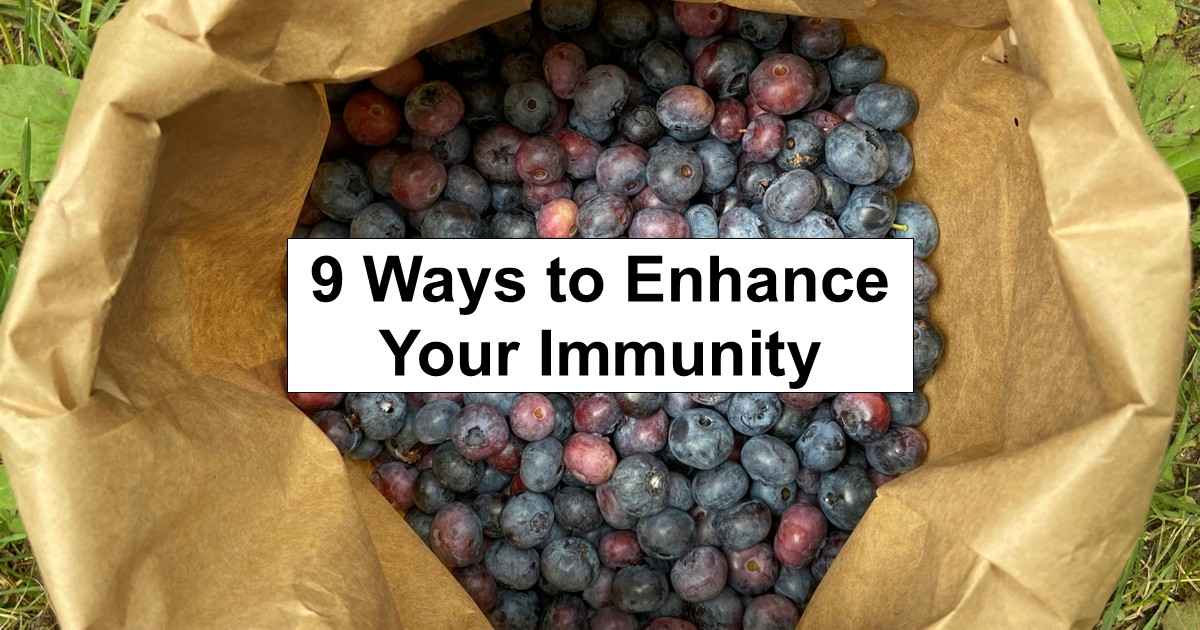
When disaster hits, your immune system is your first line of defense. Stockpiles and bug-out bags matter, but if you’re run down, your plans will stall fast.
Whether you’re bracing for winter, traveling to a high-risk area or simply want to be at your best long-term, here’s how to build an immune system that’s as ready as the rest of your prep kit.
1. Hydration and Electrolyte Balance
Water might not be as flashy as your first-aid kit or solar panels, but it’s the backbone of immune health. Every cell in your body — including the ones that fight off viruses and bacteria — needs fluid to work efficiently. When you’re dehydrated, those cells slow down, which leaves you more vulnerable.
In day-to-day life, clear or pale-yellow urine is a sign you’re properly hydrated, but in an emergency, water can be harder to come by, so knowing how to store and purify it is essential. Reliable purification methods include boiling, using water purification tablets or running water through a portable filter. Herbal teas like ginger or chamomile can double as hydration and a mild immune boost.
Electrolyte packets or homemade mixes like water, salt, sugar and a splash of citrus help replace minerals lost through sweat or illness. Staying hydrated isn’t glamorous, but in a crisis, it’s nonnegotiable.
If you rely on stored water, remember to treat and rotate it just like food. A portable filtration system isn’t just a convenience — it’s an insurance policy against bacteria, viruses and parasites that can wreck your immune defenses overnight. For long-term storage, label each container with its fill date and treatment method so you never have to guess.
Keep in mind that this “health audit” isn’t a one-and-done event. Repeat it every few months, especially before cold and flu season or if your prepping environment changes. Even keeping a simple health log with notes on energy levels, sleep quality and recurring symptoms can help you spot trends early before they become real problems.
2. A Year-Round Nutrient-Dense Diet
When your body faces a new threat — whether it’s a cold snap or a flu bug — it leans heavily on the vitamins and minerals you’ve got on hand. That’s why nutrient-dense foods should be part of your prepper pantry. However, real resilience comes from a stable stream of nutrients year-round. That means eating in a way that supports your immune system, not just during cold and flu season, but every day.
Fresh produce like oranges, bell peppers and broccoli are rich in Vitamin C, which supports immune cell function. Found in pumpkin seeds and canned oysters, zinc helps immune cells multiply quickly in response to an invader. Dried herbs like oregano and thyme have antimicrobial properties and a long shelf life.
Grow herbs and vegetables in small raised beds or indoor containers. Keep jars of sprouting seeds for microgreens, which can be harvested in under two weeks and are packed with nutrients. Learn to can, ferment or dehydrate produce so you’re never relying solely on store-bought supplies. The goal isn’t just survival — it’s thriving when fresh food isn’t easy to find.
Experiment with growing a few nutrient-dense crops, even if it’s just on a windowsill or balcony. Learning these skills before you need them means you’ll already have the know-how when fresh food becomes harder to source. Start with hardy, easy-grow options like kale, spinach or microgreens to ensure a steady nutrient supply.
A balanced intake of micronutrients — including vitamins A, C, D and E and minerals like iron and selenium — plays a direct role in immune defense. Rotating your stock every few months keeps those nutrients potent. Think of your pantry as your first pharmacy. Diets rich in whole foods, lean proteins, healthy fats, and a variety of fruits and vegetables are key for immune health. In a prepper context, this means building skills for producing and preserving your own food.
Stockpiling immune-friendly foods is only half the battle — you’ll need to rotate and replenish regularly to keep your stores fresh. Canned salmon, freeze-dried vegetables and vacuum-sealed nuts can be your best allies when fresh produce is scarce. As an extra safeguard, learn a few easy recipes that combine these ingredients so you can whip up a nutritious meal without the guesswork.
3. Sleep and Restorative Recovery
You can have the best stockpile in the neighborhood, but if you’re running on three hours of sleep, your immune system’s going to falter. Even a single night of poor rest can reduce the number of natural killer cells — the white blood cells that hunt down pathogens.
Aim for seven to nine hours when possible, and don’t underestimate the power of short naps if you can’t get it all at once. In high-stress or noisy environments, earplugs, blackout masks and a set bedtime routine can make a world of difference.
If you’re experiencing a stressful situation, winding down might be difficult. Natural aids like magnesium, valerian root tea or gentle stretching can signal to your body that it’s time to rest. Recovery is fuel, and without it, your immune “engine” sputters.
4. Keeping a Clean Space
You probably already know stress, poor diet and lack of sleep can chip away at your immune defenses, but pests are another threat many preppers overlook. In a stable environment, they’re a nuisance. In a grid-down situation, they can be dangerous.
Rodents can spread hantavirus and salmonella through droppings and contaminated food. Cockroaches are known to trigger asthma attacks and carry bacteria like E. coli. Mosquitoes can transmit West Nile Virus, and in warmer climates, even more exotic diseases are possible. These health risks often skyrocket when sanitation and pest control measures break down.
Mitigation starts long before you see the first roach. Seal up entry points, keep food in airtight containers, and set mechanical traps or bait stations where activity is likely. For off-grid or stay-put situations, natural deterrents like diatomaceous earth, peppermint oil and proper waste disposal can help keep infestations under control.
Consider pest prevention a year-round task, not a seasonal chore. The cleaner and more sealed your living space, the lower the odds of an outbreak. Prevention takes far less energy and resources than dealing with illness after it’s spread. Keep traps, repellents and sealant on hand so you can act the moment you spot signs of pests before they become a colony.
5. Movement to Kick-Start Immune Activity
A big part of your immune system travels through your lymphatic system, which needs movement to work efficiently. Gentle physical activity helps circulate immune cells, so they can patrol for trouble faster.
A 20-30 minute walk, some light body weight exercises or even a few minutes of stretching can be enough to boost your immune system response and keep you healthy. Just avoid overtraining — especially during stressful periods — because that can temporarily suppress immunity.
In tight quarters or bad weather, simple moves like push-ups, air squats and planks can keep your blood pumping without needing gear. Think of it as maintenance work for your immune “security team.”
Even simple daily routines — such as stretching or body weight exercises — can boost circulation, keep joints limber and reduce injury risk. The more functional your body, the better you can endure both daily strain and emergency demands. Incorporating activities like carrying weighted packs or practicing quick get-up drills can prepare your body for real-world scenarios.
Make downtime nonnegotiable, even when you’re busy with other prepping tasks. A calm, well-rested mind is far more adaptable, and adaptability is one of your greatest tools. Even a short daily ritual like sipping herbal tea or taking a quiet walk can help keep your nervous system balanced in high-pressure times.
6. Stress Mastery and Mental Resilience
A stressed body is a vulnerable body. Chronic stress triggers the release of cortisol, which can impact your immune responses. In a high-pressure event, your mindset is just as critical as your food and water supply.
Daily habits like meditation, controlled breathing or even a short gratitude journal can help regulate stress hormones. In the middle of a crisis, tactical stress control might look like pausing for deep breathing before making a major decision or taking a brief walk to clear your head.
Building mental toughness now pays dividends later. Strengthening your mind through consistent practice — whether that’s cold exposure, problem-solving under pressure or learning a new skill — prepares you to adapt quickly when things get tough. Think of it as training your brain to be part of your immune system’s defense plan.
7. Building a Low-Toxin Lifestyle
Your immune system fights germs, but it also deals with chemical overload. Reducing toxins in your environment gives it more bandwidth to focus on pathogens.
Start with cleaning supplies. Many store-bought products release volatile organic compounds that can irritate your lungs and lower your resistance to respiratory infections. Switch to natural cleaners like vinegar, baking soda and essential oils.
Air quality matters, too — especially in enclosed or off-grid spaces. Good ventilation, HEPA filters and regular dust control keep irritants down. Even pest control can go the low-toxin route, using diatomaceous earth or essential oil sprays instead of harsh chemicals. The fewer toxins your immune system has to process, the sharper it can stay.
For preppers, preventive care is more than just checkups — it’s proactive defense. The fewer preventable illnesses you face, the fewer resources you’ll have to divert from other critical needs. Keeping a written record of your vaccinations and last medical visits ensures nothing falls through the cracks, even in chaotic situations.
8. Seasonal and Preventive Health Habits
Your immune system changes with the seasons, and your habits should, too. In cold months, get more vitamin D from safe sun exposure or supplements to counter reduced daylight. In warmer months, focus on hydration and pest protection.
Preventive care doesn’t have to mean constant doctor visits — though regular checkups are valuable when available. Preppers can keep basic medical supplies, learn first-aid skills and store preventive remedies like echinacea, elderberry syrup and astragalus root.
The key is preparation before illness strikes. Dry herbs for tea, keep them in airtight jars and label them with harvest dates so you know they’re still potent. Just like rotating food stock, refreshing your herbal stash ensures you’re always ready to respond to seasonal challenges.
9. Community Immunity and Group Health
In a crisis, your survival might depend as much on the health of your group as on your own. If one person falls ill, it can quickly ripple through the ranks — especially in close quarters or when resources are stretched. That’s where the concept of community immunity comes in. The stronger each member’s defenses, the better protected the whole group is.
For preppers, this means encouraging healthy habits long before you need to rely on each other. Share knowledge about nutrition, hygiene and pest control. If conditions slip, rodents and insects can spread nasty illnesses. Consider pooling resources for bulk vitamins, clean water filtration, and immune-supportive herbs or remedies.
Label everything clearly and include instructions for use, especially if you’re the most medically knowledgeable person in your group. That information could prevent confusion or misuse in a stressful environment. Organize your supplies by category — herbs, over-the-counter medicines and first-aid tools — so you can find things in seconds, and stock up on extra prescription medication if needed.
Regularly check on one another’s well-being, especially in stressful situations. If someone starts showing symptoms of illness, isolation and early care can prevent it from spreading to everyone else. Think of your group like a chain — its strength depends on every single link. Strong individuals make a strong unit, and in any long-term scenario, the healthiest groups have the highest odds of making it through together. Your immune system isn’t just personal armor — it’s part of your team’s overall shield.
Boost Your Defenses
A strong immune system is one of the most valuable tools in your prepper kit. It’s ready to protect you whether you stay put or head out, and it can help strengthen the health of your entire group. Build it now with smart habits, group health awareness and a dash of foresight, and you’ll be ready to face whatever comes your way.
Just remember that the work you put in today could be the reason you’re standing strong tomorrow — healthy, prepared and ahead of the curve.
Leave a Reply to Sam Clark Cancel reply